
"siphon settings"
900 article(s) found

Introduction to the principle, characteristics and usage of the siphon pot what kind of coffee beans are suitable for cooking?
What is a siphon pot? Siphon pot (Siphon, Syphon), also known as Saifeng kettle or vacuum pot (Vacuumcoffeemaker), is a kind of apparatus that uses siphon principle to brew coffee, which is divided into vertical type and balanced type (Belgian pot). First of all, let's briefly introduce the siphon pot.

The operation of the siphon pot
The operation method of the siphon pot is characterized by good aroma and high mellowness of the brewed coffee. Corresponding coffee beans: non-heavily roasted single coffee beans and mixed coffee beans, such as Blue Mountain, Colombia, Brazil, etc. Adapt to the crowd: people who pursue the quality of coffee, are not afraid of the trouble of washing pots, and are full of the spirit of continuous exploration. Preparation materials: 1) appropriate amount of pure water; household drinking fountains can be used.

Introduction to the production area of Yunnan Coffee Bean suitable for Seafood Chong planting Environment
Yunnan coffee beans suitable for how many degrees sailor Chong planting environment introduction 1) the right amount of pure water; you can use the kind of pure water used in household drinking fountains or filtered tap water. 2) Coffee beans / coffee powder; the amount of water in a cup of coffee in a siphon pot is 110ml (but after cooking it will be reduced by about 1/5), and the corresponding coffee powder is about 15g; if the conditions are right, it is best

Is the plug pot a siphon pot? how to use the plug pot to make a good cup of coffee
Professional coffee knowledge exchange more coffee bean information please follow the coffee workshop (Wechat official account cafe_style) winter plum fold, brew a pot of siphon gold Manning, bask in the sun by the radiator ~ siphon in order to let the coffee release the most perfect taste, Joyce decided to use the air stopper to carefully brew good coffee. Siphon or Syphon is also called glass ball or siphon.
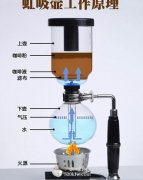
Coffee technology siphon pot method of making coffee
In 1840, a glass test tube in a laboratory triggered the invention of the siphon coffee maker (Syphon). The British took the test tube used in Biya's chemical experiment as a model to create the first vacuum coffee pot. Two years later, Mrs. Bachang of France improved the kettle with a little spring in shape, and the familiar upper and lower convection siphon pot was born. Siphon coffee pot in France

Growth Environment and brewing of small Coffee
Small grain coffee scientific name: Coffea arabica family genus: Rubiaceae coffee genus morphological characteristics: small trees or large shrubs, plant height 5 meters 8 meters. Base usually much branched, old branches gray-white. Nodes inflated, young branches glabrous. Leaves thinly leathery-ovate-lanceolate or lanceolate, apex long acuminate, base cuneate or slightly obtuse, entire or shallowly wavy, both surfaces glabrous. Cymes several clustered in leaf axils
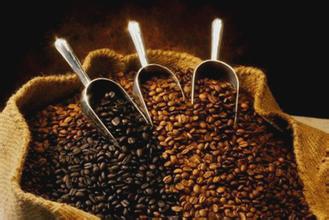
The introduction and source of small coffee novice must see
Arabica scientific name: Coffea arabica family: Rubiaceae coffee morphological characteristics: small trees or large shrubs, plant height 5~8 meters. Base usually much branched, older branches gray. nodes dilated, young branches glabrous. Leaves thin leathery ovate-lanceolate or lanceolate, apex long acuminate, base cuneate or slightly obtuse, entire or shallowly undulate, glabrous on both sides. Cymes several clustered in leaf axils

Yunnan coffee common sense coffee growing environment and brewing
Arabica scientific name: Coffea arabica family: Rubiaceae coffee morphological characteristics: small trees or large shrubs, plant height 5~8 meters. Base usually much branched, older branches gray. nodes dilated, young branches glabrous. Leaves thin leathery ovate-lanceolate or lanceolate, apex long acuminate, base cuneate or slightly obtuse, entire or shallowly undulate, glabrous on both sides. Cymes several clustered in leaf axils

Introduction of Colombian individual Flavor treatment Variety Taste grindability
Introduction to Colombian coffee beans (1) sour: Colombia 30%, Brazil 30%, Guatemala 20%, mocha 20% (2) bitter: Colombia 30%, Brazil 30%, Kilimanjaro 20%, Robsta 20% (3) strong: Colombia 40%, Guatemala 20%, Mantenin 20%, Brazil 20% (4) mild: Colombia 40%, Brazil 30%, Mocha 20%, Luo

Coffee master concocts handmade coffee in 6 steps
Home can also produce fragrant handmade coffee, Vietnamese coffee master, teach everyone to use siphon pot 6 steps to concoct mellow and natural handmade coffee.

Common sense of Chinese Coffee growth Environment and brewing of small Coffee
Small grain coffee scientific name: Coffea arabica family genus: Rubiaceae coffee genus morphological characteristics: small trees or large shrubs, plant height 5 meters 8 meters. Base usually much branched, old branches gray-white. Nodes inflated, young branches glabrous. Leaves thinly leathery-ovate-lanceolate or lanceolate, apex long acuminate, base cuneate or slightly obtuse, entire or shallowly wavy, both surfaces glabrous. Cymes several clustered in leaf axils

Basic knowledge of boutique coffee several classic coffee utensils
There are many similarities and differences between tea culture and coffee culture. Tea culture pays attention to taste, coffee culture pays attention to sentiment; tea culture pays attention to desire, while coffee culture just pays attention to contemplation. China's tea set is famous at home and abroad, so how much attention is paid to the meaning of coffee? Here are some of the most common and classic coffee utensils: Italian coffee maker. For Italian coffee machines

General knowledge of fine coffee the growing environment of small-grain coffee
Small grain coffee scientific name: Coffea arabica family genus: Rubiaceae coffee genus morphological characteristics: small trees or large shrubs, plant height 5 meters 8 meters. Base usually much branched, old branches gray-white. Nodes inflated, young branches glabrous. Leaves thinly leathery-ovate-lanceolate or lanceolate, apex long acuminate, base cuneate or slightly obtuse, entire or shallowly wavy, both surfaces glabrous. Cymes several clustered in leaf axils

Common sense of Coffee beans in Yunnan growth Environment and brewing of small Coffee
Small grain coffee scientific name: Coffea arabica family genus: Rubiaceae coffee genus morphological characteristics: small trees or large shrubs, plant height 5 meters 8 meters. Base usually much branched, old branches gray-white. Nodes inflated, young branches glabrous. Leaves thinly leathery-ovate-lanceolate or lanceolate, apex long acuminate, base cuneate or slightly obtuse, entire or shallowly wavy, both surfaces glabrous. Cymes several clustered in leaf axils
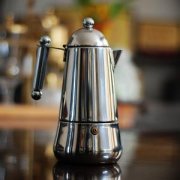
Coffee brewing knowledge must know several classic coffee utensils
Tea culture and coffee culture have many similarities. Tea culture pays attention to taste, coffee culture pays attention to mood; tea culture pays attention to pure desire, while coffee culture just pays attention to meditation. China's tea set can be said to be famous at home and abroad, then, how much attention is there to the meaning of coffee utensils? Here are a few of the most popular and classic coffee appliances: Italian coffee machines. Italian coffee machine

The Story of the Coffee Man: how did the siphon barista become?
Professional barista communication Please pay attention to the coffee workshop (Wechat official account cafe_style) A cup of good coffee, first of all, there are high-quality coffee beans, but if there is no first-class barista brewing, it is difficult to exert the unique flavor of coffee beans. So what qualities should a good barista have? Be sure to be enthusiastic about coffee and be willing to spend time delving into relevant knowledge, accumulating experience and grinding
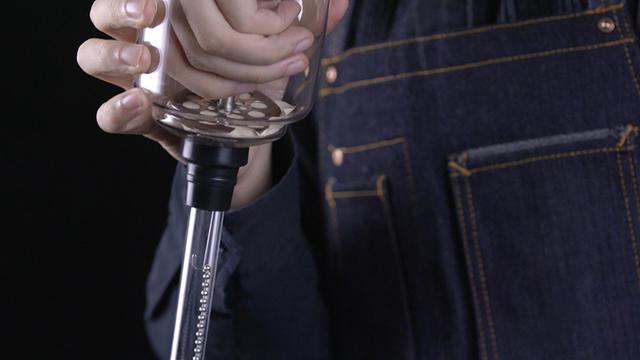
Make coffee like a Breaking Bad and feel the most mysterious power and great charm of coffee.
In 1840, the Englishman Nabia created the first vacuum coffee pot based on a glass test tube in a chemistry laboratory. Two years later, Mrs. Bachang of France improved it, and the familiar upper and lower convection siphon pot (Syphon) was born. By the middle of the 20th century, after continuous design and improvement, the siphon pot gradually became popular all over the world, and the siphon pot became a favorite professional utensils for baristas.

General knowledge of boutique coffee introduces the classic utensils of coffee
There are many similarities and differences between tea culture and coffee culture. Tea culture pays attention to taste, coffee culture pays attention to sentiment; tea culture pays attention to desire, while coffee culture just pays attention to contemplation. China's tea set is famous at home and abroad, so how much attention is paid to the meaning of coffee? Here are some of the most common and classic coffee utensils: Italian coffee maker. For Italian coffee machines
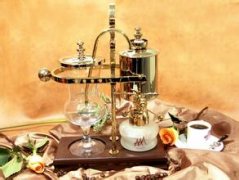
The Origin of Belgian Pot
The Belgian pot is a kind of special coffee pot. Today, the ornamental value of the Belgian pot is much greater than its practical value. People who buy Belgian pots rarely use Belgian pots to make coffee and are more likely to decorate them.

Characteristics of several production methods of single Coffee
Original flavor (without adding any other excipients) the production method of single coffee: A. Siphon (with acting effect, the most common method of making coffee) B. Filter paper dripping type (the simplest method of punching) C. Steam pressurized (Italian best flavor) D. Ice drip type (take some time to enjoy the coffee) E. Belgian style (the most traditional method of making coffee) F. Coffee